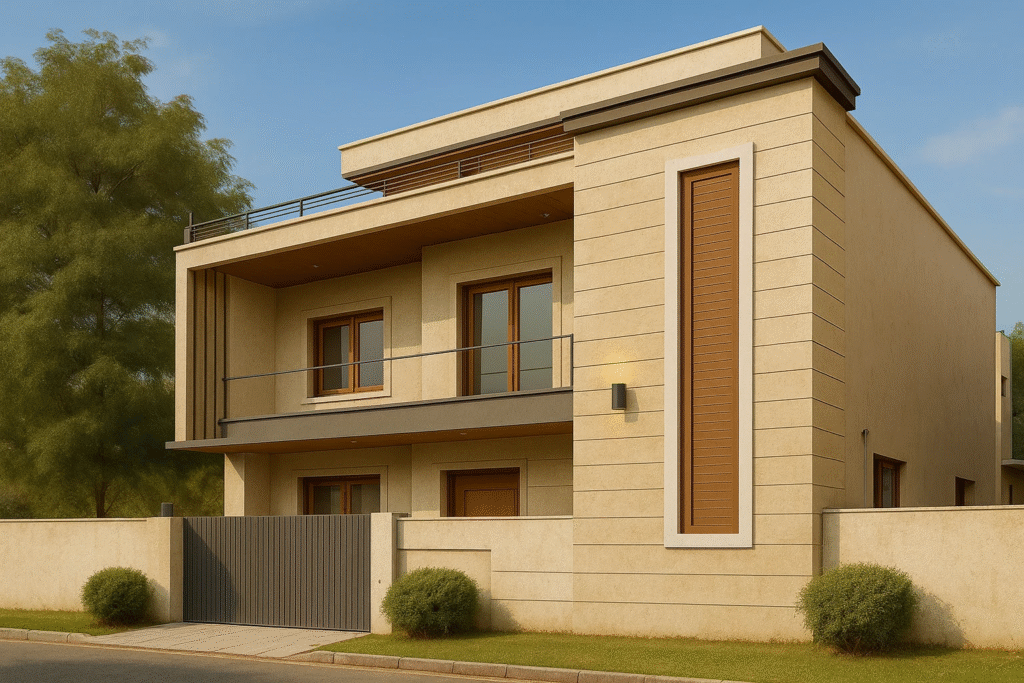
In a country where tradition meets innovation, the rise of prefabricated homes is transforming the Indian housing landscape. Once seen as an alternative, these modern marvels are now becoming a preferred choice for many seeking affordability, sustainability, and efficiency. With rapid urbanization and a growing demand for housing solutions that keep pace with lifestyle changes, prefabricated homes offer a unique blend of convenience and flexibility. From modular designs that can be customized to meet individual needs to eco-friendly materials that align with sustainable living practices, this comprehensive guide will take you on a journey through the future of homebuilding in India. Discover how innovative technologies are reshaping the residential space, making homeownership accessible to a broader audience, and addressing the pressing challenges of urban housing. Join us as we explore the myriad benefits and trends that are making prefabricated homes a compelling choice for the modern Indian homeowner.
The Rise of Prefabricated Homes in India
India, known for its rich cultural heritage and architectural diversity, has witnessed a significant transformation in its housing landscape. The advent of prefabricated homes marks a revolutionary shift from conventional construction methods to innovative, modular designs. Prefabricated homes, often referred to as prefab or modular homes, are built using factory-manufactured components that are assembled on-site. This approach offers a multitude of benefits, including reduced construction time, cost efficiency, and sustainability. The rise of prefabricated homes in India can be attributed to several factors, including rapid urbanization, increased demand for affordable housing, and growing awareness of environmental issues.
The concept of prefabricated homes is not entirely new to India; however, it has gained momentum in recent years due to advancements in technology and changing consumer preferences. Traditionally, Indian homes were built using brick-and-mortar methods, which are labor-intensive and time-consuming. Prefabricated homes, on the other hand, leverage modern construction techniques that streamline the building process. This shift has been facilitated by the availability of high-quality materials and improved manufacturing processes. Additionally, the increasing need for quick and efficient housing solutions in densely populated urban areas has further propelled the growth of this sector.
Another driving force behind the rise of prefabricated homes in India is the growing middle class. With rising incomes and changing lifestyles, more Indians are seeking innovative housing solutions that offer convenience and flexibility. Prefabricated homes cater to this demand by providing customizable designs that can be tailored to individual preferences. From compact urban apartments to spacious suburban villas, prefab homes offer a wide range of options that meet diverse needs. Moreover, the ability to integrate modern amenities and smart home technologies makes prefabricated homes an attractive choice for tech-savvy homeowners.
Advantages of Prefabricated Homes
Prefabricated homes offer numerous advantages over traditional construction methods, making them an appealing option for modern homebuyers. One of the most significant benefits is the reduced construction time. Unlike conventional homes that can take several months or even years to complete, prefabricated homes can be built in a matter of weeks. This expedited timeline is possible because the components are manufactured in a controlled factory environment, minimizing weather-related delays and ensuring consistent quality. As a result, homeowners can move into their new homes much faster, saving time and reducing stress.
Another key advantage of prefabricated homes is cost efficiency. The streamlined construction process and bulk manufacturing of components result in lower labor and material costs. Additionally, the reduced construction time translates to lower financing costs, as homeowners can secure shorter-term loans with lower interest rates. Prefabricated homes also tend to have fewer on-site construction errors, which can lead to cost overruns in traditional builds. By minimizing these risks, prefab homes offer a more predictable and budget-friendly housing solution. Furthermore, the ability to choose from a range of pre-designed models allows homeowners to select options that fit their budget without compromising on quality.
Sustainability is another compelling advantage of prefabricated homes. With increasing awareness of environmental issues, many homebuyers are seeking eco-friendly housing options. Prefabricated homes are designed to be energy-efficient and often incorporate sustainable materials such as recycled steel, bamboo, and eco-friendly insulation. The factory-controlled manufacturing process also reduces waste, as materials are precisely cut and excess is minimized. Additionally, prefab homes can be equipped with renewable energy systems like solar panels, further reducing their environmental footprint. By choosing prefabricated homes, homeowners can contribute to a greener future while enjoying the benefits of modern living.
Common Types of Prefabricated Homes
Prefabricated homes come in a variety of types, each offering unique features and benefits. One of the most popular types is modular homes, which are built using factory-made modules that are transported to the construction site and assembled. Modular homes can be customized to suit individual preferences, with options for different layouts, sizes, and finishes. These homes are known for their durability and high-quality construction, as the modules are manufactured under strict quality control standards. Modular homes also offer flexibility in design, allowing homeowners to choose from a range of styles, from contemporary to traditional.
Another common type of prefabricated home is panelized homes. These homes are constructed using pre-cut panels that are assembled on-site to form the walls, floors, and roof. Panelized homes offer a faster construction process compared to traditional methods, as the panels are pre-engineered and ready for installation. This type of prefab home is ideal for those seeking a quick and efficient build without compromising on quality. Panelized homes can also be customized to include various architectural features and finishes, providing a personalized touch to the final product.
Container homes are a unique and innovative type of prefabricated home that has gained popularity in recent years. These homes are built using repurposed shipping containers, which are transformed into livable spaces through creative design and engineering. Container homes offer a sustainable and cost-effective housing solution, as they utilize recycled materials and require minimal construction time. These homes can be stacked and arranged in various configurations, allowing for versatile and creative designs. Container homes are particularly appealing to eco-conscious homeowners who value sustainability and modern aesthetics.
The Construction Process of Prefabricated Homes
The construction process of prefabricated homes is a well-coordinated and efficient procedure that differs significantly from traditional building methods. It begins with the design phase, where homeowners work with architects and designers to create a blueprint that meets their specific needs and preferences. This phase involves selecting the layout, size, and style of the home, as well as choosing materials and finishes. Once the design is finalized, it is sent to the factory for manufacturing.
In the factory, the components of the prefabricated home are manufactured under controlled conditions. This process involves cutting, shaping, and assembling materials such as steel, wood, and insulation to create the modules or panels that will form the structure of the home. Factory production ensures consistent quality and precision, as each component is made to exact specifications. This stage also includes the installation of electrical wiring, plumbing, and other essential systems, which are integrated into the modules or panels. The factory environment minimizes the risk of weather-related delays and allows for efficient use of resources.
Once the components are completed, they are transported to the construction site for assembly. This phase involves preparing the foundation and ensuring that the site is ready for installation. The prefabricated modules or panels are then assembled using cranes and other equipment, with each piece fitting together seamlessly. This process is significantly faster than traditional construction, as the components are pre-engineered and ready for installation. After assembly, the final touches are added, including interior finishes, fixtures, and landscaping. The result is a high-quality, durable home that is ready for occupancy in a fraction of the time it would take to build a conventional home.
Cost Comparison: Prefabricated vs. Traditional Homes
When comparing the costs of prefabricated homes to traditional homes, several factors come into play. One of the most significant cost advantages of prefabricated homes is the reduction in construction time. Traditional homes can take several months or even years to complete, resulting in higher labor costs and increased financing expenses. In contrast, prefabricated homes can be built in a matter of weeks, significantly reducing these costs. The streamlined construction process and factory production of components also contribute to lower material costs, as bulk manufacturing allows for economies of scale.
Another cost-saving aspect of prefabricated homes is the predictability of expenses. Traditional home construction often involves unexpected delays and errors that can lead to cost overruns. Prefabricated homes, however, are built using precise and controlled methods that minimize the risk of such issues. By reducing the likelihood of on-site construction errors and delays, prefab homes offer a more predictable and budget-friendly housing solution. Additionally, the ability to choose from pre-designed models with fixed prices allows homeowners to select options that fit their budget without compromising on quality.
While the initial cost of prefabricated homes may be lower than traditional homes, it is essential to consider the long-term savings as well. Prefabricated homes are often designed to be energy-efficient, with features such as superior insulation, energy-efficient windows, and renewable energy systems like solar panels. These features can lead to significant savings on utility bills over time. Furthermore, the durability and high-quality construction of prefabricated homes mean fewer maintenance expenses, as these homes are less prone to issues such as mold, rot, and structural damage. By considering both initial and long-term costs, it becomes clear that prefabricated homes offer a cost-effective and sustainable housing solution.
Environmental Impact of Prefabricated Homes
The environmental impact of prefabricated homes is a crucial consideration for many homeowners seeking sustainable living options. Prefabricated homes are designed to be energy-efficient, with features that reduce energy consumption and minimize the carbon footprint. One of the key environmental benefits of prefab homes is the use of sustainable materials. Many prefabricated homes incorporate recycled steel, bamboo, and eco-friendly insulation, reducing the reliance on traditional, resource-intensive materials. The factory-controlled manufacturing process also minimizes waste, as materials are precisely cut and excess is reduced.
Another significant environmental advantage of prefabricated homes is the reduction in construction-related emissions. Traditional home construction involves on-site activities that can generate significant amounts of dust, noise, and pollution. Prefabricated homes, however, are built in factories with controlled conditions, minimizing the environmental impact of construction. The reduced construction time also means fewer emissions from machinery and transportation, contributing to a cleaner and healthier environment. Additionally, prefab homes can be equipped with renewable energy systems like solar panels, further reducing their environmental footprint and promoting sustainable living.
The energy efficiency of prefabricated homes extends beyond construction to their long-term performance. Many prefab homes are designed with superior insulation, energy-efficient windows, and advanced heating and cooling systems, reducing the need for excessive energy consumption. These features can lead to significant savings on utility bills and contribute to a lower overall carbon footprint. By choosing prefabricated homes, homeowners can enjoy the benefits of modern living while minimizing their impact on the environment. The growing popularity of prefab homes in India is a testament to the increasing awareness and commitment to sustainable living practices.
Government Policies and Incentives for Prefabricated Homes
Government policies and incentives play a crucial role in the growth and adoption of prefabricated homes in India. Recognizing the potential of prefab homes to address the housing shortage and promote sustainable development, the Indian government has introduced several initiatives to support this sector. One of the key policies is the Pradhan Mantri Awas Yojana (PMAY), which aims to provide affordable housing to all by 2022. Under this scheme, the government offers subsidies and financial assistance to eligible homebuyers, making it easier for them to afford prefabricated homes.
In addition to financial incentives, the government has also implemented regulatory measures to promote the use of prefabricated homes. The National Building Code of India (NBC) includes guidelines for the construction of prefab homes, ensuring that they meet safety and quality standards. These regulations help build trust among consumers and encourage the adoption of prefab homes as a viable housing solution. Furthermore, the government has launched initiatives to raise awareness about the benefits of prefabricated homes, including their cost efficiency, sustainability, and quick construction time.
Local governments and municipal bodies have also introduced policies to support the growth of prefabricated homes. Many cities have streamlined the approval process for prefab home construction, reducing bureaucratic hurdles and expediting project timelines. Some municipalities offer incentives such as tax breaks and reduced permit fees for prefabricated home projects, encouraging developers to invest in this sector. These measures create a favorable environment for the growth of prefabricated homes and contribute to the overall development of the housing market in India.
Challenges Facing the Prefabricated Housing Market in India
Despite the numerous advantages of prefabricated homes, the market in India faces several challenges that need to be addressed for widespread adoption. One of the primary challenges is the lack of awareness and misconceptions about prefab homes. Many consumers still associate prefabricated homes with low-quality, temporary structures, and are unaware of the advancements in technology and design that have made modern prefab homes durable and aesthetically pleasing. Educating consumers about the benefits and quality of prefabricated homes is essential to overcoming this barrier.
Another significant challenge is the limited availability of skilled labor and expertise in prefabricated construction. While traditional construction methods are well-established and widely practiced, prefabricated construction requires specialized skills and knowledge. The shortage of trained professionals in this field can lead to delays and increased costs, hindering the growth of the market. Investing in training programs and educational initiatives to build a skilled workforce is crucial for the development of the prefabricated housing sector in India.
The regulatory environment also presents challenges for the prefabricated housing market. Although the government has introduced policies and incentives to support prefab homes, the approval process can still be cumbersome and time-consuming. Navigating through bureaucratic hurdles and obtaining necessary permits can delay projects and increase costs. Streamlining regulations and creating a more supportive framework for prefabricated home construction is essential to facilitate growth in this sector. Additionally, addressing issues related to land availability and zoning can help overcome obstacles and promote the adoption of prefabricated homes in India.
The Future of Prefabricated Homes in India: Trends and Predictions
The future of prefabricated homes in India looks promising, with several trends and predictions indicating continued growth and innovation in this sector. One of the key trends is the increasing demand for sustainable and eco-friendly housing solutions. As environmental awareness grows, more consumers are seeking homes that minimize their carbon footprint and promote sustainable living practices. Prefabricated homes, with their energy-efficient designs and use of eco-friendly materials, are well-positioned to meet this demand and become a preferred choice for environmentally conscious homeowners.
Technological advancements are also shaping the future of prefabricated homes in India. Innovations in manufacturing processes, materials, and design are making prefab homes more efficient, durable, and customizable. The integration of smart home technologies, such as automated lighting, climate control, and security systems, is enhancing the appeal of prefabricated homes and offering modern conveniences to homeowners. Additionally, advancements in virtual reality and augmented reality are enabling consumers to visualize and customize their homes before construction, providing a more personalized and engaging experience.
The growing support from the government and private sector is another factor that will drive the future of prefabricated homes in India. With continued investment in policies, incentives, and infrastructure, the prefabricated housing market is expected to expand and flourish. Collaborations between developers, architects, and technology providers will lead to innovative and cost-effective housing solutions that address the needs of the Indian population. As the market matures, we can expect to see a wider range of prefabricated home designs, from affordable housing to luxury villas, catering to diverse consumer preferences and lifestyles.
In conclusion, the rise of prefabricated homes in India represents a significant shift in the housing landscape, offering a unique blend of affordability, sustainability, and efficiency. With rapid urbanization and changing consumer preferences, prefab homes are becoming an attractive option for modern homeowners. By addressing challenges and leveraging technological advancements, the prefabricated housing market in India is poised for continued growth and innovation. As we look to the future, it is clear that prefabricated homes will play a crucial role in shaping the residential space and making homeownership accessible to a broader audience.